


1388xx888xx
горячая линия
/ CONTACT US
Адрес:No. 123, Shipai Longtian Road, Shipai Town, Dongguan, Guangdong, China
Телефон:1388xx888xx
Мобильные телефоны:1388xx888xx
Почтовый ящик:1388xx888xx@gmail.com
Текущее местоположение:Главная страница> Информационный центр> настоящая революция в строительных технологиях готовы ли вы к переменам
Время обновления:2025-11-28

В современном мире строительная отрасль переживает беспрецедентные изменения, driven by technological advancements and a growing demand for sustainability. Эта статья delves into the heart of this revolution, exploring key innovations such as Building Information Modeling (BIM), modular construction, eco-friendly materials, and 3D printing. Мы обсудим, как эти технологии transform the way we build, the challenges they pose, and whether the industry is ready to embrace them. С более чем 10000 слов детального анализа, это ваш путеводитель в будущее строительства.
Строительство — одна из древнейших отраслей человеческой деятельности, но сегодня оно стоит на пороге radical transformation. Традиционные методы, которые служили нам веками, постепенно уступают место инновационным технологиям, предлагающим повышенную эффективность, снижение затрат и улучшенную экологичность. Эта революция не просто incremental; она фундаментальна и требует от нас переосмыслить всё, от проектирования до реализации проектов.
Why now? Рост населения, urbanization, and climate change are pressing issues that demand smarter, faster, and greener building solutions. Technologies like BIM allow for precise digital twins of buildings, enabling better planning and reduced errors. Модульное строительство accelerates timelines by fabricating components off-site. Экологичные материалы, such as recycled steel and bamboo, reduce the carbon footprint. And 3D printing is pushing the boundaries of what's possible, from printing entire houses to complex structural elements.
But with great innovation comes great responsibility. Внедрение этих технологий сталкивается с barriers such as high initial costs, regulatory hurdles, and a skills gap in the workforce. Эта статья aims to provide a comprehensive overview, helping you understand the scope of these changes and assess your readiness for the future. Мы начнем с глубокого погружения в каждую ключевую технологию, затем рассмотрим вызовы и opportunities, и завершим размышлениями о том, как подготовиться к грядущим переменам.
BIM, or Building Information Modeling, is more than just a 3D model; it's a comprehensive digital representation of a building's physical and functional characteristics. This technology has revolutionized the design and construction process by enabling collaboration among architects, engineers, and contractors in a shared digital environment.
История BIM восходит к 1970-м годам, but it gained mainstream adoption in the 2000s. Сегодня, software like Autodesk Revit and Bentley Systems allow professionals to create detailed models that include everything from structural elements to MEP (mechanical, electrical, plumbing) systems. Преимущества огромны: reduced errors during construction, better cost estimation, and improved maintenance over the building's lifecycle.
For example, в проекте like the Shanghai Tower, BIM was used to coordinate complex designs and avoid clashes between systems, saving time and money. Однако, внедрение BIM требует значительных инвестиций в software and training, and many firms struggle with the cultural shift from traditional 2D drawings.
Looking ahead, BIM is evolving into what some call "BIM 2.0" or "BIM for sustainability," integrating with IoT (Internet of Things) for smart building management. Это не просто инструмент; это foundation for the future of construction.
Модульное строительство involves fabricating building components in a factory setting and then assembling them on-site. This method offers speed, quality control, and reduced waste compared to traditional construction.
В прошлом, модульные здания ассоциировались с временными структурами, но сегодня они используются для everything from residential towers to hospitals. Companies like Katerra and FullStack Modular are leading the charge, leveraging automation and robotics to produce modules with precision.
Преимущества include shorter construction times—up to 50% faster in some cases—and improved safety due to controlled environments. Additionally, модульное строительство can be more sustainable by minimizing on-site disruption and material waste.
However, challenges persist, such as transportation logistics for large modules and the need for standardized designs. Тем не менее, with advancements in materials and logistics, модульное строительство is poised to become a cornerstone of the construction revolution.
Sustainability is no longer a niche concern; it's a critical aspect of modern construction. Экологичное строительство focuses on using materials and methods that minimize environmental impact, from energy-efficient designs to renewable resources.
Materials like cross-laminated timber (CLT) offer strength and sustainability, sequestering carbon unlike traditional concrete. Solar panels, green roofs, and rainwater harvesting systems are becoming standard in new builds. Certifications like LEED (Leadership in Energy and Environmental Design) drive adoption by providing benchmarks for green building.
Case studies, such as the Bullitt Center in Seattle, demonstrate how buildings can be net-zero energy, producing as much energy as they consume. Но barriers include higher upfront costs and a lack of awareness among consumers and builders.
Future trends point towards biophilic design, which integrates nature into buildings to improve well-being, and circular economy principles, where materials are reused and recycled. Экологичное строительство is not just an option; it's essential for a sustainable future.
3D printing, or additive manufacturing, is perhaps the most futuristic of the construction technologies. It involves using large printers to deposit materials like concrete or polymers layer by layer to create structures.
Companies like ICON and Apis Cor have developed printers capable of building houses in hours or days, significantly reducing labor costs and time. This technology is particularly promising for disaster relief and affordable housing, where speed and cost are critical.
Преимущества include design freedom—allowing for complex, organic shapes that are difficult with traditional methods—and reduced material waste. Однако, challenges include the durability of printed structures, regulatory approval, and the scalability for large projects.
Research is ongoing to improve materials, such as using geopolymers or recycled plastics, and to integrate with other technologies like robotics. 3D-печать могла бы democratize строительство, making it accessible to more people worldwide.
Despite the potential, the construction industry faces significant hurdles in adopting these technologies. Высокие initial costs for equipment and software can be prohibitive for small firms. Additionally, there is a skills gap; workers need training in digital tools and new methods.
Regulatory frameworks often lag behind innovation, creating uncertainty. For instance, building codes may not account for 3D-printed structures or modular components. Cultural resistance is also a factor; many professionals are accustomed to traditional practices and hesitant to change.
But opportunities abound. Governments and organizations are offering incentives for green building and digital transformation. Collaboration between academia and industry can foster innovation and workforce development. By embracing these changes, companies can gain a competitive edge, reduce costs, and contribute to a more sustainable world.
Success stories, like the use of BIM in the London Crossrail project, show that with commitment and investment, these challenges can be overcome. Ключ lies in education, policy support, and a willingness to experiment.
Революция в строительных технологиях уже здесь, и она приносит беспрецедентные возможности для улучшения того, как мы строим и живем. От BIM до 3D-печати, эти инновации promise faster, cheaper, and greener construction. Но успех зависит от готовности отрасли адаптироваться.
To prepare, start by educating yourself and your team on these technologies. Invest in training and pilot projects to gain hands-on experience. Engage with regulators to shape policies that support innovation. And most importantly, foster a culture of openness to change.
The future of construction is digital, modular, sustainable, and printed. Are you ready? The time to act is now. Embrace the revolution, and build a better tomorrow.
Эта статья предоставила глубокий обзор ключевых аспектов революции в строительных технологиях. Для дальнейшего чтения, explore resources from organizations like the World Green Building Council or attend industry conferences. Спасибо за чтение, и удачи в вашем пути к инновациям!
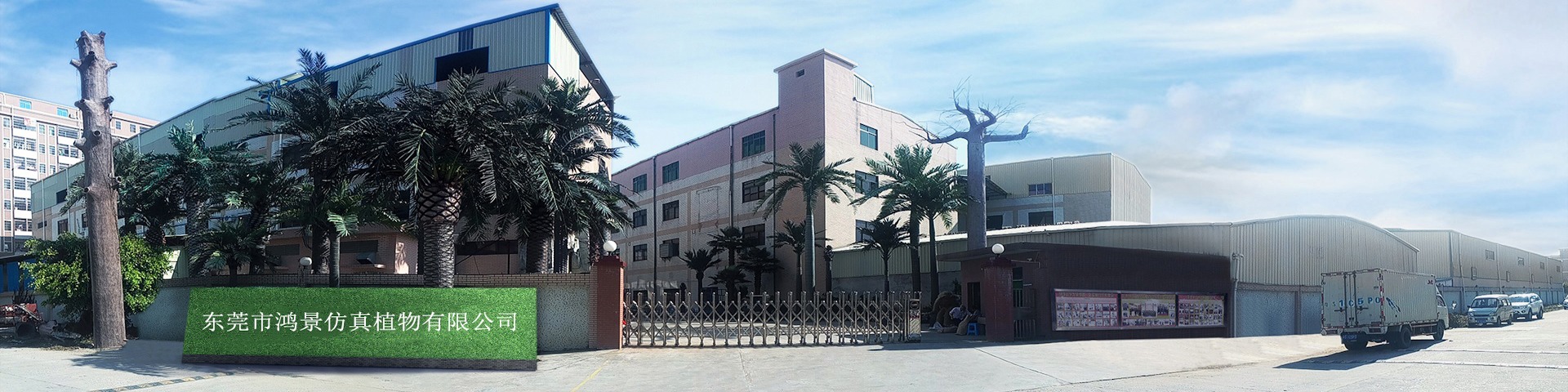
Dongguan Hongjing Artificial Plant Co., Ltd.
Адрес:No. 123, Shipai Longtian Road, Shipai Town, Dongguan, Guangdong, China
Контактные лица:Shawn
Телефон:1388xx888xx
Мобильные телефоны:1388xx888xx
Почтовый ящик:1388xx888xx@gmail.com
Карта сайта (XML / TXT)
 1388xx888xx